Blending Cultures: The Irish Influence on Lisbon's Music Scene
Introduction to Cultural Fusion
Lisbon, a city renowned for its vibrant tapestry of cultures, has recently witnessed a fascinating blend of sounds and rhythms. This is particularly evident in its music scene, where the Irish influence has begun to make a notable impact. From traditional Irish folk to contemporary fusion genres, Irish musicians and their unique styles have found a welcoming home in Portugal’s capital.
The convergence of these two cultures has led to an exciting evolution in Lisbon's musical landscape. It’s a testament to the city’s openness and its residents' eagerness to embrace diverse cultural expressions.
The Rise of Irish Music in Lisbon
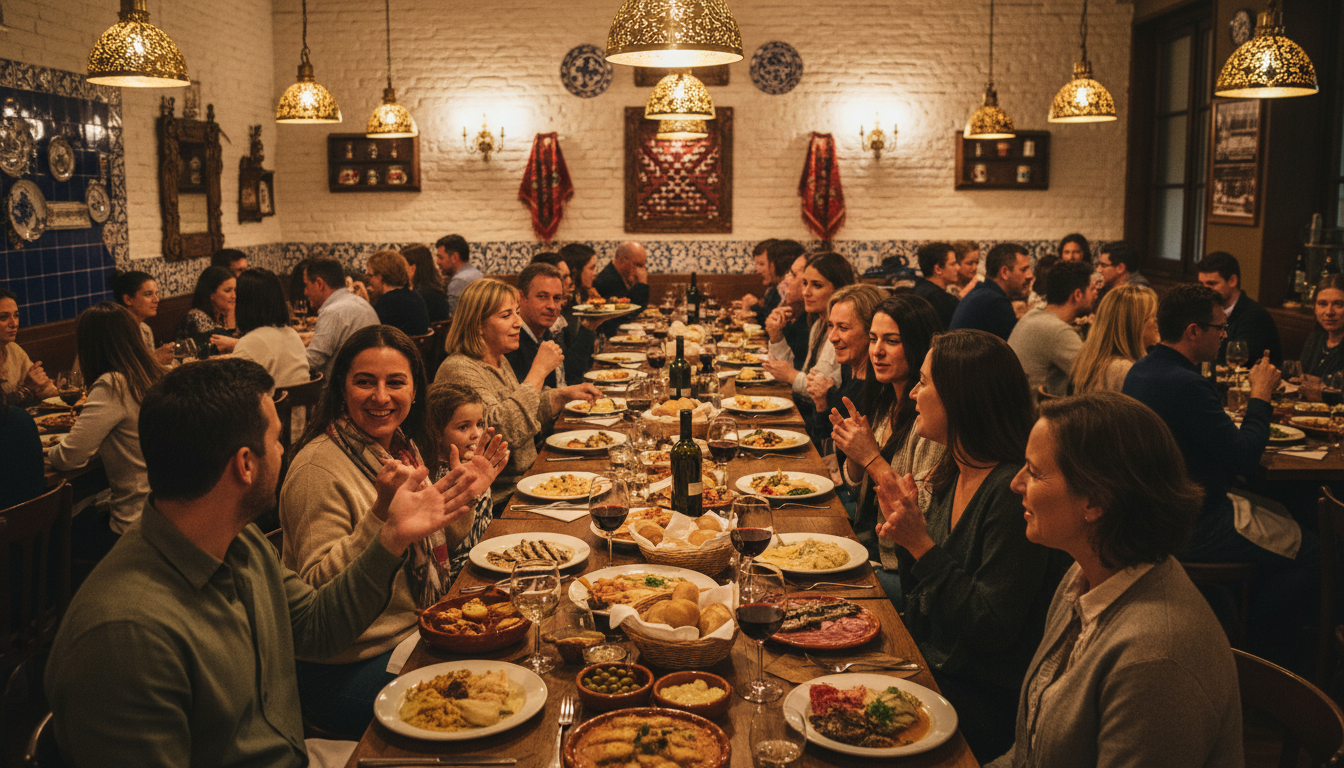
Irish music has a rich tradition that spans centuries, characterized by its distinctive instruments and rhythmic patterns. In Lisbon, the Irish music scene is thriving with regular sessions held in pubs and music venues across the city. These gatherings have become a hub for both Irish expatriates and locals curious about the lively beats of Celtic music.
This increasing popularity can be attributed to both the growing Irish community in Lisbon and the universal appeal of Irish music. The sounds of the fiddle, tin whistle, and bodhrán have become familiar to many Lisboetas, creating an unexpected yet harmonious blend with traditional Portuguese melodies.
Key Venues for Irish Music
Several venues in Lisbon have become synonymous with Irish music. These include intimate pubs where musicians gather to play impromptu sessions, as well as larger venues hosting organized performances.
- The Jameson Pub: Known for its cozy atmosphere and regular Irish music nights.
- Lisbon Irish Center: A cultural hub that frequently hosts Irish musicians and cultural events.
- Fado Clubs: Surprisingly, some Fado clubs have begun to incorporate Irish music into their line-ups, creating a unique fusion experience for audiences.
Fusion of Styles
The fusion of Irish and Portuguese music styles has given rise to innovative new genres. Musicians from both traditions are collaborating, experimenting with sounds that blend the melancholic strains of Fado with the spirited energy of Irish jigs and reels.
Such collaborations have led to the creation of unique performances that captivate audiences, offering a fresh take on traditional music. This blending of styles not only highlights the versatility of these musical forms but also strengthens the cultural ties between Ireland and Portugal.
Impact on Local Artists
Local artists in Lisbon are increasingly drawing inspiration from Irish music, incorporating its elements into their work. This influence can be seen in the use of Irish instruments and the adaptation of Irish rhythms into contemporary Portuguese music.
Moreover, workshops and collaborative events have sprung up, giving local musicians the opportunity to learn from Irish artists. This cross-cultural exchange fosters creativity and opens new avenues for artistic expression in Lisbon's dynamic music scene.

Conclusion
The Irish influence on Lisbon’s music scene is a testament to the power of cultural exchange. It demonstrates how music can transcend borders and bring people together, creating a richer, more diverse cultural landscape. As these two cultures continue to blend, Lisbon's music scene will undoubtedly keep evolving, offering new and exciting experiences for locals and visitors alike.
Whether you're a fan of traditional folk or contemporary fusion, the Irish influence in Lisbon is sure to offer something that resonates with your musical tastes. So next time you're in the city, be sure to explore this vibrant aspect of Lisbon's cultural identity.