Exploring Pre-1755 Earthquake Lisbon: A Glimpse into the Past
Introduction to Historic Lisbon
Lisbon, the enchanting capital of Portugal, is a city steeped in history and culture. Before the devastating earthquake of 1755 reshaped its landscape, Lisbon was a bustling hub of architectural marvels, thriving trade, and rich cultural traditions. Exploring pre-1755 Lisbon offers a fascinating glimpse into a vibrant past that laid the foundation for the city's modern charm.
The Architectural Wonders
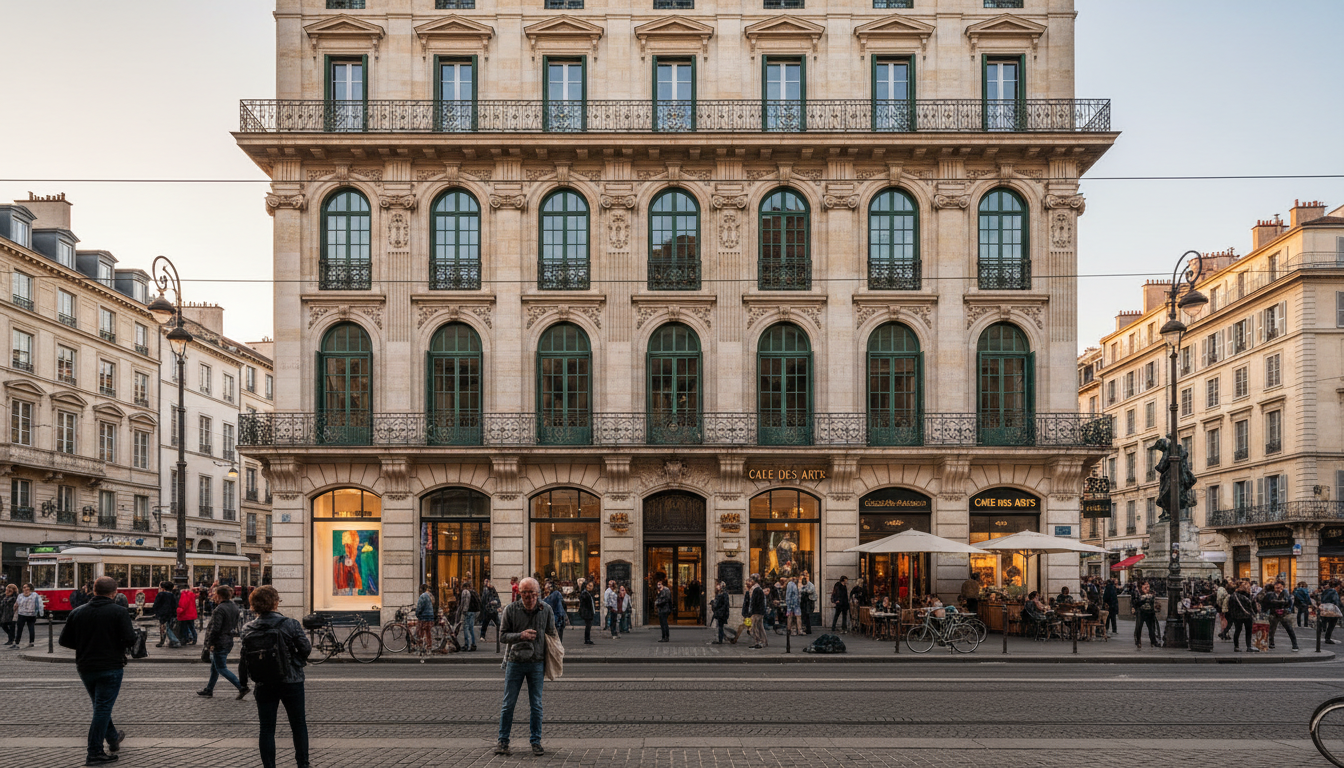
The architecture of pre-1755 Lisbon was a blend of Gothic, Manueline, and Moorish influences, reflecting the city’s diverse history. The Royal Ribeira Palace and the Carmo Convent were prime examples of the grandeur that characterized Lisbon's skyline. The intricate designs of the Jerónimos Monastery and the Belém Tower stood as testaments to Portugal's Age of Discovery.
Despite the devastation, some structures like the Alfama district retain the essence of those times with its narrow streets and traditional houses. Visitors can still wander through these historic areas to capture the spirit of old Lisbon.
Cultural Flourishes
Before the earthquake, Lisbon was a cultural melting pot. The city was renowned for its vibrant markets and lively festivals, which attracted people from all over Europe. The Fado music, echoing through the streets, provided a poignant soundtrack to daily life, embodying the soul of the city.
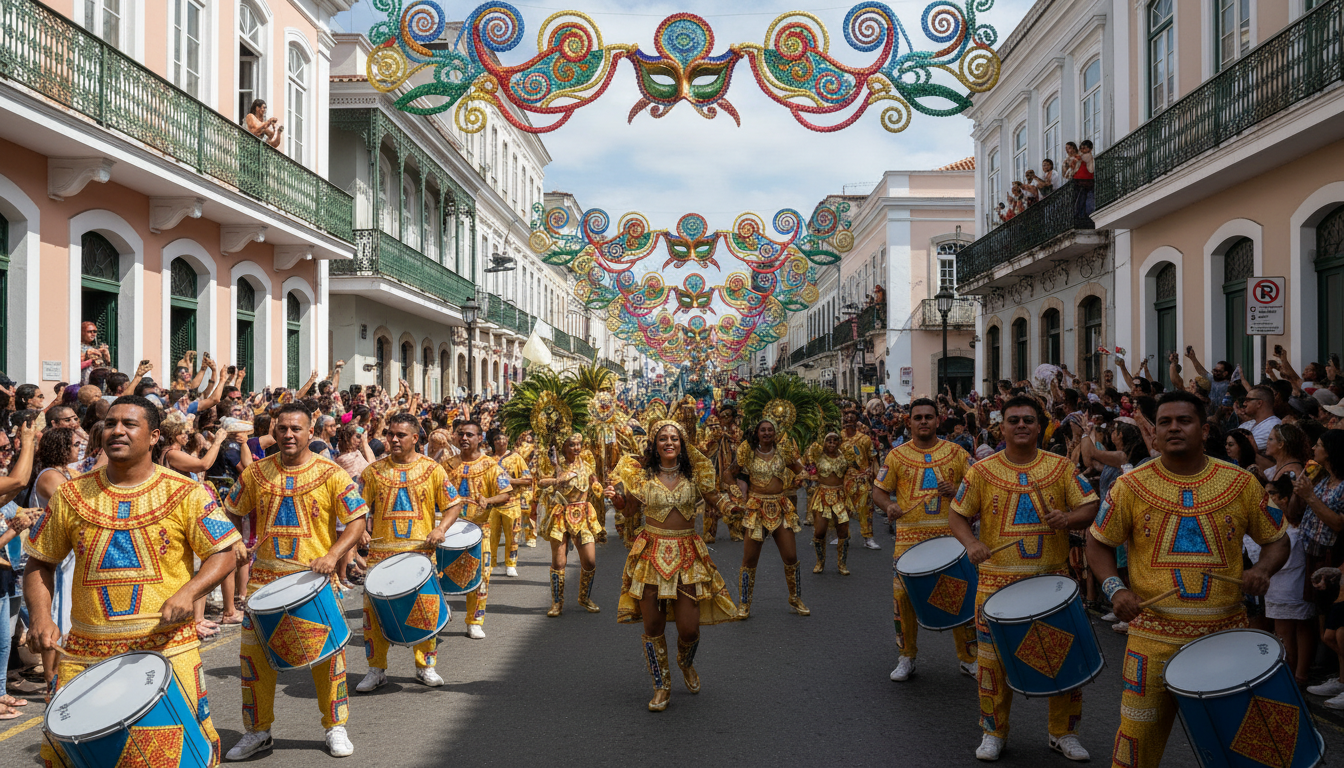
Lisbon’s intellectual scene was equally dynamic, with libraries and salons serving as gathering places for philosophers, poets, and artists. The city's cultural diversity was further enriched by the influences of global exploration and trade.
Trade and Commerce
The strategic location of Lisbon made it a crucial port for international trade. Ships from the farthest corners of the world docked at Lisbon’s harbors, bringing in exotic goods and facilitating cultural exchange. This trade prosperity contributed significantly to the city's wealth and development.

The bustling Ribeira Market was the heart of commerce, offering everything from spices to silks. It was not just a place of trade but also a social center where people from different backgrounds mingled and shared stories.
Life in Pre-1755 Lisbon
Daily life in pre-1755 Lisbon was a tapestry of traditions and routines. Residents enjoyed a lifestyle that balanced work with leisure, often gathering in the city’s numerous cafes and taverns. The community spirit was strong, with celebrations and religious events playing a significant role in bringing people together.
The social fabric was woven with threads of resilience and adaptability, qualities that would later help the city rise from the ashes of the disaster.
Legacy and Resilience
The 1755 earthquake was a turning point in Lisbon’s history, but the remnants of pre-1755 Lisbon continue to inspire awe and curiosity. The city's ability to preserve its heritage while embracing modernity is a testament to its resilience and enduring spirit.
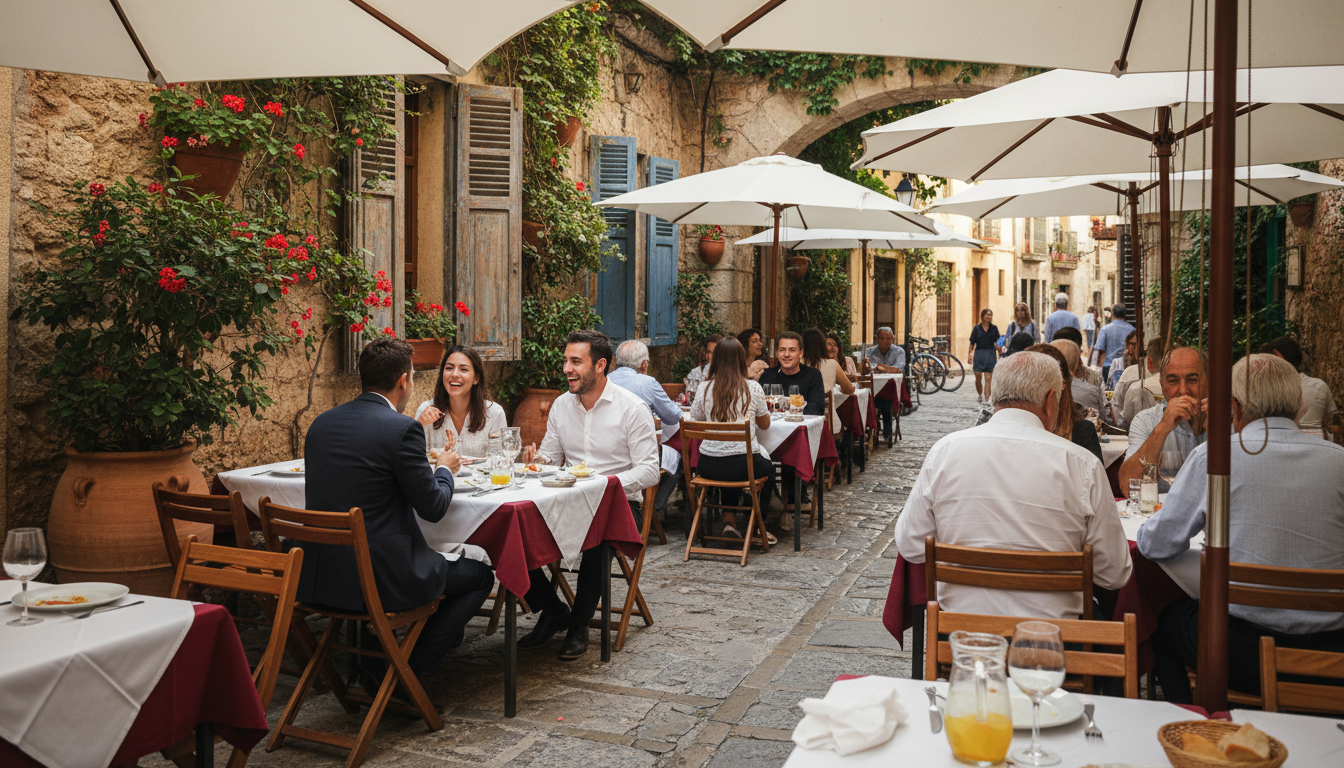
As we explore the echoes of the past in Lisbon's streets, we gain a deeper appreciation for the rich history that has shaped this remarkable city. Pre-1755 Lisbon remains a captivating chapter in the story of a city that continues to enchant the world.